The Most Famous Culinary Ratio
Painters often use a 3:1 ratio between their dominant and secondary colors to keep a visual balance. For every three parts of a dominant color, they use roughly one part of a secondary color.
It is the same for cooks when it comes to salad dressing. A vinaigrette is three parts oil to one part vinegar. Easy to remember– “three-to-one.” It also happens to be the serving proportion.
Three-to-one is not the only ratio in cooking–there are many in baking, for example. However, it is the most famous one. It is worth memorizing.
A third element in salad dressings is an emulsifier. Most cooks whisk in a small amount of Dijon (or Coleman’s mustard powder) or honey to stop the oil and vinegar from separating quickly. Mayonnaise and miso also act as “emulsifiers,” holding the oil and vinegar together.
To keep everything harmonious, pair light oils (like sunflower or delicate olive oil) with light white wine or apple vinegars. Bold olive oils, like Greek, should be paired with aged balsamic or red wine vinegars.
Low on vinegar? You can always cut in lemon juice for a portion of the vinegar.
Salad Seasonings
A well-made salad dressing stands on its own. You don’t have to season it. When a dressing is seasoned, most often the herbs are Mediterranean. The 3:1 rule applies here as well.
Take Greek seasoning. For 3 tablespoons of oregano as your primary “color,” add in your secondary flavor “colors” at one-third each, or 1 tablespoon (combined) of thyme and garlic powder.
Italian seasoning teams up basil with oregano, presenting them in equal parts along with parsley. Say you use one tablespoon each of these for a total of three. To make one tablespoon of secondary flavor “colors,” add 1 teaspoon each of rosemary, thyme, and garlic powder.
Classic French Provencal seasoning does not follow the rules. It puts forward all herbs in equal proportions: rosemary, marjoram, thyme, savory, basil.
One seasoning no salad should be without is cracked pepper. The challenge I have had is finding a pepper mill that is easy to load and will give a truly coarse grind on the peppercorns. I finally found it in rechargeable pepper mill in the link below. Note this is an affiliate link, and I earn a small commission at no cost to you if you choose to purchase the product through the link.
WALMART AFFILIATE LINK
The Secret to Great Salad Dressing
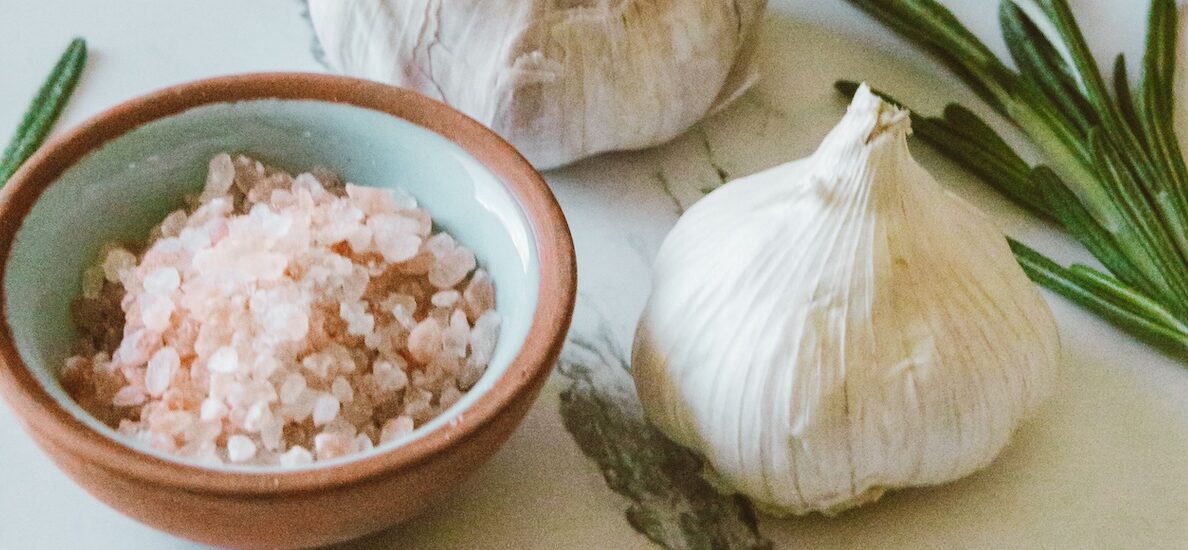
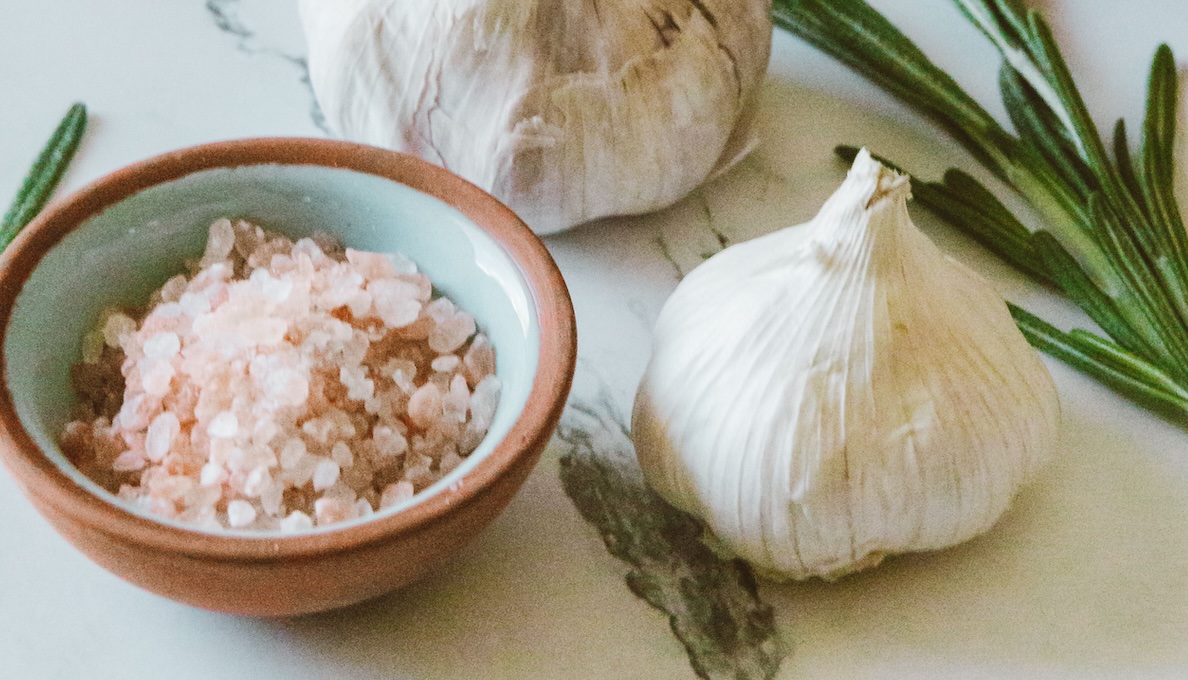
The examples above use garlic powder as an ingredient. Garlic powder is fine if you have no other choice; however, I’ve never had to make that choice. I always use fresh garlic. The secret to great salad dressing is this: Crush the garlic into salt before adding the oil and vinegar. Salt will suspend the garlic taste throughout the mixture. It only takes a dash of salt in a small saucer to crush in one small clove of garlic. Then whisk in your 3 tablespoons of oil and tablespoon of vinegar.
I use only Redmond coarse salt. I explain the environmental reasons why here: Essential: Water and Salt. I buy the salt in bulk from Azure Standard. Because the cost of shipping is shared by other Azure buyers that pick up supplies from the same drop location (my local mall), I stock it for 4 cents an ounce. By comparison (and the salts are practically the same), Himalayan salt costs more than $1.50 an ounce.
I like to buy herbs and spices at Rural King. I know, Rural King is not the first place that comes to most peoples’ minds for culinary adventure. Rural King has an entire section of herbs and spices in half-ounce cellophane packets that cost about $2 each. Herbs get stale, and if you are starting out with a small amount, you are less likely to waste any. And, too, the cellophane packets are biodegradable. You can buy all the salad seasonings above at Rural King for about $14, and they will probably last you a year. I recommend buying honey and BBQ sauce at your local Rural King as well, because they support local farmers and culinary artisans. Honey, especially, should be bought locally to match your environmental allergy profile. The link below is an affiliate link, which means I earn a small commission at no cost to you if you choose to order through the link.
RURAL KING AFFILIATE LINK