Water Quality for the Home Cook
We are 75 percent water. Think about that. The importance of water quality cannot be overstated.
At home you use water for drinking, washing produce, preparing soups and sauces, cooking grains and pasta, making beverages, and cleaning kitchen equipment. Because water comes into contact with so much of our food, its quality can affect both food safety and the flavor of meals.
Safe drinking water should be free from harmful microorganisms and unsafe levels of chemical contaminants. The Safe Drinking Water Act requires public water systems to meet federal standards for contaminants in drinking water. The law also requires water systems to provide customers with an annual water quality report called the “Consumer Confidence Report”. These reports summarize testing results and identify contaminants that were detected during the previous year.
This can get technical. To help you, the Environmental Working Group has dedicated a large section of their website to water quality. EWG’s Tap Water Database covers 50,000 community water systems in all 50 states and includes regulated as well as unregulated contaminants.
In another section of the website, EWG helps you choose the right filter to remove contaminants from your water. For this reason, EWG is an invaluable resource.
Water Quality Confidence–or Maybe Not So Confident…
It sounds good, a Consumer Confidence Report. Should you be “confident” in it? I’ll give you an example from my own experience. I am based across the highway from a GM factory that assembles pickup trucks. The Consumer Confidence Report shows chromium-6 in the local drinking water. Although the Environmental Protection Agency posts no limit on chromium-6 (and therefore the utility is “in compliance” as far as EPA is concerned), I personally do not want hexavalent chromium in my drinking water.
Chromium-6 is the contaminant-of-concern to focus on, not the methanes and acetic acids resulting from disinfection. Chromium-6 is a potent, known human carcinogen linked to stomach and lung cancer at extremely low threshold concentrations, whereas trihalomethanes are regulated disinfection byproducts that pose increased cancer risks typically only over long-term, chronic high-level exposure.
So my utility with no EPA violations delivers me contaminants of great personal concern to my health. Many independent health organizations recommend filtration for households with children, pregnant women, or immunocompromised individuals regardless of utility compliance status.
Reverse osmosis effectively filters chromium-6. At least get your drinking water filtered if you cannot afford a home system. All Walmart water filtration stations have reverse osmosis filtration. When I travel, I fill up at the McDonald’s drink fountain taps, which include a water option. All McDonald’s restarants have water purified by reverse osmosis, I’ve been told, because they believe it makes their coffee taste better. The other benefit of reverse osmosis is that it eliminates “forever” chemicals (PFAS), which are not tracked in Consumer Confidence Reports.
The Best Salt for Home Cooking
There are many different kinds of salt used in cooking, including table salt, kosher salt, sea salt, Himalayan pink salt, and specialty salts such as fleur de sel. Understanding the differences between these salts can help cooks choose the right one for seasoning, baking, preserving, and finishing dishes. However, on this blog, I’d like to talk about a consideration not much discussed when it comes to salt: the environment.
The Skinny on Himalayan Salt
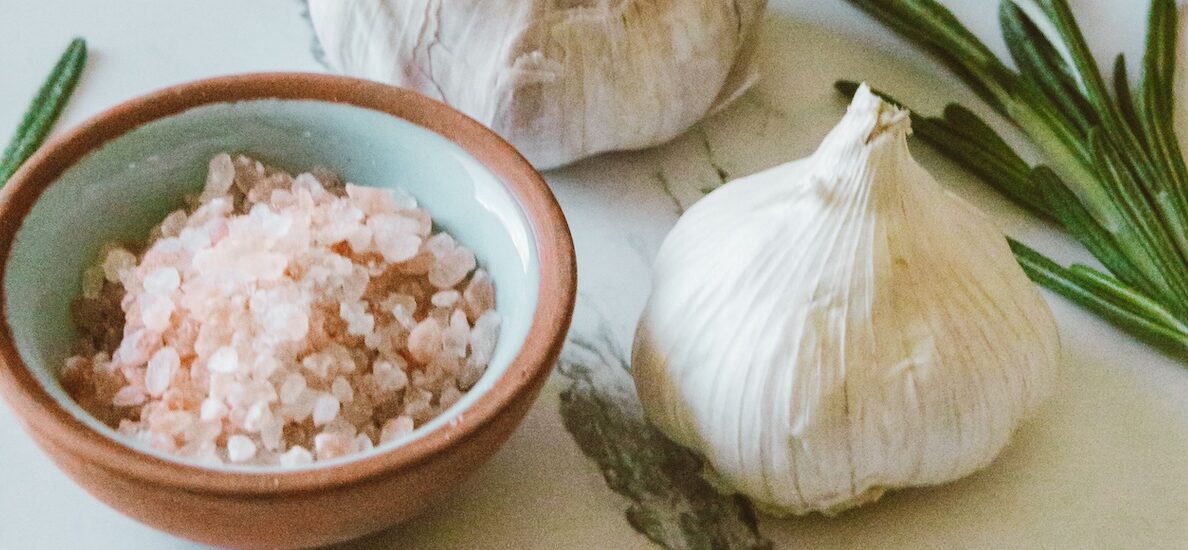
Take the latest trendy salt: Himalayan pink salt. It comes from Pakistan, notably the Khewra Salt Mine in the Punjab region, near the Himalayan foothills. The salt deposits formed millions of years ago when ancient seas evaporated, leaving behind large underground layers of salt. Its pink, orange, and reddish colors come from small amounts of minerals and iron compounds in the salt. The mine is as much as 8,000 miles from United States markets and must be transported. Salt is heavy. Anyone who has salted their driveway in winter knows that, so there is a hefty carbon cost getting tens of thousands of tons of Himalayan salt to the United States each year. Pakistani salt must go through American customs, where it is irradiated.
A Better Salt Alternative
Few American consumers are aware there is a better alternative to Himalayan salt right in their own back yard: the Redmond salt mine on the west slope of the Rocky Mountains in Utah. Ok, you may think this is not auspicious environmentally because of nuclear test drift from Area 51 in Nevada. The Redmond mine is capped with volcanic lava, so it is protected from that.
Like Himalayan salt, the Redmond deposit was formed millions of years ago when ancient seas evaporated, leaving behind underground layers of salt. Like Himalayan salt, it has pink, orange, and reddish colors from small amounts of minerals and iron compounds. The mine is 99% powered by solar energy, using solar fields to reduce its carbon footprint. The Redmond mine is only 650 miles from Southern California and 2,400 miles from Bangor, Maine, so it is much less costly to transport to US consumers. It is the low-carbon-footprint salt of choice–and it is nutritious with trace minerals, too. My blood pressure has always been normal when I use it.
Since learning about Redmond salt, I haven’t used any other. I buy it by the 50-pound bag from Azure Standard, a cooperative with drop-off points all over the United States, so there is little cost to ship it. It’s about 4 cents an ounce bought in bulk. Imported Himalayan pink salt at Walmart costs nearly $1.50 an ounce ($7 for a 5-ounce packet). The choice is clear to me–Redmond coarse salt or nothing else. Here is a link for Azure Standard.