What’s the difference between meal planning and menu planning?
Most food blogs on the Internet promote menu planning based as a haphazard collection of favorite recipes. This recipe-first approach isn’t realistic, especially if we face food scarcity in the future, which is likely. Menu planning should begin with the food supply first, then you choose recipes to use up that food supply with a minimum of waste. It is the approach profesional dietary managers use every day in hospitals, schools, and other institutions. Menu Plan Cook promotes a “macronutrient,” dietary management approach to menu planning, which is outlined here.
Should I stock freeze-dried food or meals ready-to-eat for an emergency?
There’s a problem with MREs. You should limit consumption of them to 21 days according to the US Surgeon General. After 3 weeks, they become detrimental to your health due to excessive food processing and preservation. Most serious preppers on Internet discussion boards suggest gradually stockpiling non-perishable groceries rather than panic-buying unfamiliar freeze-dried kits. The cost consideration is significant, too. A good emergency food brand like Mountain House costs over $400 for 14 days of meals. Following Menu Plan Cook macronutrient guidelines to stock your pantry will cost you just $100 for the same period of time, and many of the non-perishables are organic, non-GMO, or gluten-free. See Quarterly Pantry List.
You list ingredient brands on your pantry list. Why?
Consider me your personal grocery shopper. That’s the value added to my recipes. I examine all the options on the grocery shelf. Take coconut milk, for example. The first can to catch our attention is probably the one with the colorful designer label selling for more than $7. But look for a country of origin, and you will find just “Southeast Asia.” Not good enough for me. I avoid coconut products from Vietnam, because what is now known as their “Coconut Kingdom” was once only known as the Mekong Delta. During the Vietnam War, 11 million gallons of Agent Orange were dumped on the country to kill jungle foliage so helicopter gunmen could better see their targets. The Mekong Delta was literally dripping in herbicide. I would rather move along to another country’s coconut plantations as a source for my coconut milk. There on the lower shelf, in a nondescript pale blue wrapper, is an off-brand can of coconut milk. Its country of origin: Dominican Republic. It does not contain guar gum. That’s my choice. I’m stoked I found it! Even better, it costs half of what the other can costs. When you see a specific ingredient in my recipe or on my pantry list, I mean exactly that product, many times for some health reason related to the environment or nutrition.
You add some unusual things to recipes…why?
One of my biggest pet peeves with food blog recipes is that they usually only add ingredients for taste, not nutrition. Taste is important, but I believe nutrition is even more important. There are so many small additions that reap big nutrition benefits. For example, a few tablespoons of ground sunflower and pumpkin seeds blend happily into pesto for your pasta, yet they add 5 more grams of protein to your meal. Protein is a challenging macronutrient to get into your diet on a budget. In the shelf-stable recipe collection, especially, you will find many nutritional add-ins you may have never heard of before.
Why 1600 calories a day as a default target for menu planning?
Depending on your physical activity, you can generally get along on 20 percent less than the average daily requirement of 2,000 calories set by the Department of Health and Human Services, according to the National Academy of Medicine, who is responsible for developing the Dietary Reference Intakes (DRI)
If you’re Erling Haaland you need 6,000 calories a day, but you’re probably not playing in the World Cup soccer finals.
National Institutes of Health research is even more supportive that a moderate calorie reduction — such as 20 percent — can be beneficial for muscle health, metabolic function, and healthy aging, provided it’s done in a balanced, sustainable way, according to the National Institute on Aging.
The goal of this website is to give you what you need to get along for awhile, until the emergency passes. You will get along fine on a restricted calorie diet…for awhile.
Why shop for my pantry groceries at Walmart?
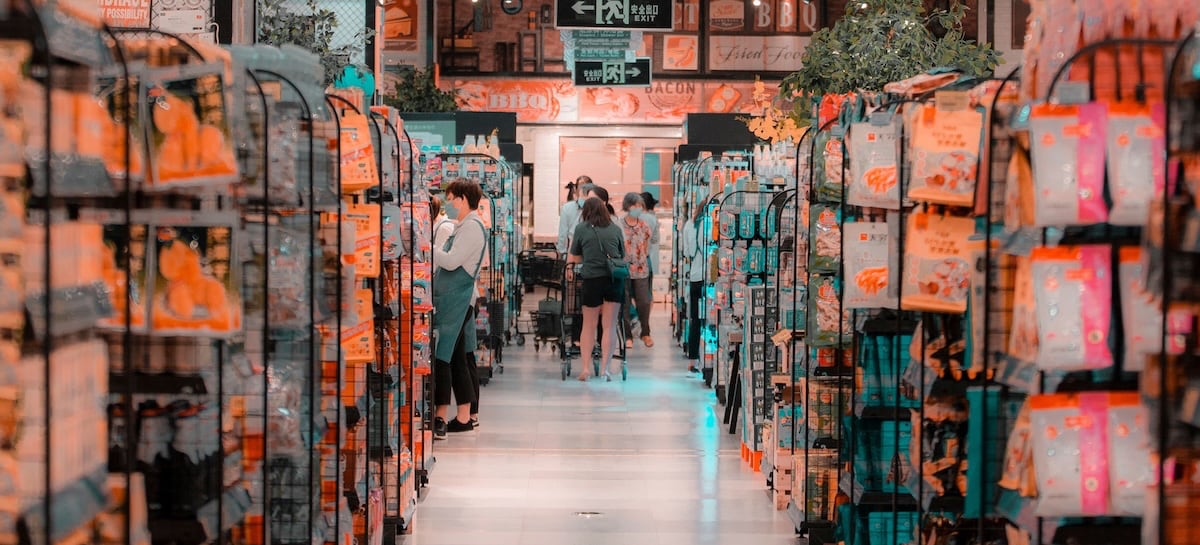
Most people can get to a Walmart. If they have to shelter in place, most Walmarts offer delivery within a 9- to 15-mile radius. Walmart has begun drone delivery through a service called Wings. Remember that if you need to get pharmaceuticals in a disaster situation where vehicle delivery cannot reach you.
Have questions? Use the website Contact form to ask me, and I if it is a topic of general interest to the Menu Plan Cook community, I will include the answer in a future issue of the newsletter.