Julia Child’s classic cookbook Mastering the Art of French Cooking opens with a discussion of pots and pans. That’s a very practical place to start. Child recommends pots with a heavy copper bottom or, if that’s not available, enameled cast iron. I was fortunate to inherit a few of these from my mother. You can find vintage copper-bottom Revere or Le Creuset enameled cast-iron cookware on eBay or at estate sales. This is the most affordable way to acquire them.
If you want newly manufactured copper cookware, the type sold to chefs, you can find them through the WebstaurantStore. Professional saucepans cost anywhere from $225 to $850, depending on size. A more affordable option is stainless steel. Made In Cookware carries carbon-steel non-reactive stainless clad cookware that is PFAS- and BPA-free cookware with no heavy metals for clean cooking. The cost is reasonable: less than $50 per pan. The link below is an affiliate link where I receive a small commission at no cost to you if you choose to buy through the link.
MADE IN
Tools of the Trade
There are a few tools in my kitchen that I searched for a long time and finally found, so I am passing them on to you. Note, the links are affiliated with Walmart, where I receive a small commission at no cost to you, if you choose to buy through the link.
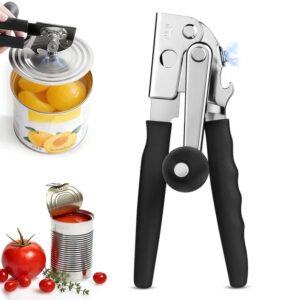
1. Commercial Can Opener with Rotating Handle
Because my kitchen pantry has many canned items, finding the best possible can opener has been essential. I searched for years for a can opener that would really work, and, well, here it is, a commercial can opener with a rotating handle. It works consistently and dependably on all kinds of cans. Even better, anyone with arthritis or even a wrist injury can use it comfortably.
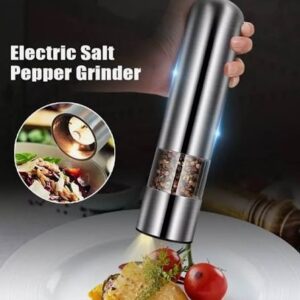
2. Adjustable Electric Salt & Pepper Grinder
There will come a point as you develop your cooking skills when you will want fine pepper in some instances, coarse pepper in another. Mostly I like coarse pepper, and I’ve gone through half a dozen pepper grinders over the years (even a Peugeot) and been unhappy with all of them. This brand has proven to grind pepper perfectly.
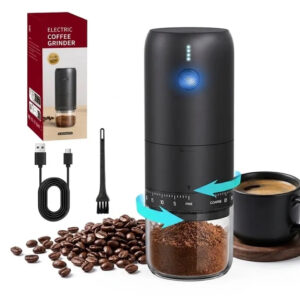
3. Adjustable Coffee Grinder
I seldom grind coffee in my coffee grinder. I use it for many other things, notably to grind seeds just before serving so the antioxidants stay fresh. Because this grinder is cordless, I can keep it on the table next to the pepper grinder (same manufacturer) and always be ready to add extra protein and antioxidants to any dish.
In Search of the Perfect Knife
When I was cooking on the ranch in Montana, I always had a sharp knife because sharpening knives is a pleasant evening past-time for cowboys. Now that I’m back in the Midwest, I’m fortunate my local hardware store, with its squeaky plank floors and corner woodstove, still has someone who can sharpen tools, including knives. If I didn’t have the convenience of this hardware store, I would have to learn how to sharpen knives myself. I’ve never bothered to do that.
Historically a carbon-steel paring or chopping knife was preferred by chefs, which rust easily. However, the rust can easily be scrubbed off with a scouring pad. The best place to find professional-quality carbon-steel knives is the WebstaurantStore. I recommend starting with a 3-1/2″ paring knife and a 7″ Granton edge knife for slicing. This investment in knives will cost less about $17.
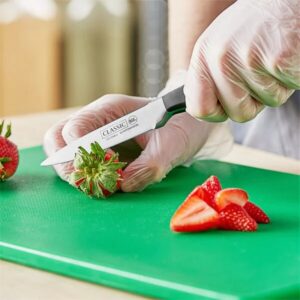
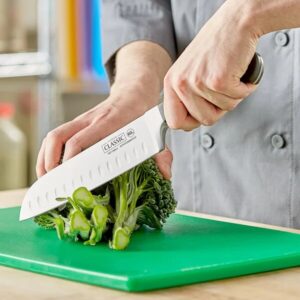
Materials engineering has come a long way where kitchen knives are concerned, but I have always found the “never sharpen this knife” claims to be false. If you find one, let me know about it through the Contact form!
Is a Microwave Safe?
When people find out I don’t own a microwave, they immediately re-evaluate owning a microwave. Or, on the other side of the spectrum, they’ll talk about the YouTube videos they’ve seen where microwaved water kills house plants. Of course pouring boiling water on plants will kill them! What microwaves do is create free radicals. Plants neutralize free radicals. I don’t want to expose myself to any more free radicals that I have to. And besides, my Ninja Crispi air fryer defrosts and cooks things about as fast and takes up just a fraction of the counter space.

Storage
Good pantry storage is just as important as choosing the right foods. A cool, dry, dark location, airtight containers for appropriate dry goods, and a simple first-in, first-out rotation system can help protect both quality and your investment.
Here are some storage products a clean cook should consider:
Stainless-steel bain marie containers with lids – Stainless steel is the toxin-free alternative to plastic. Bain maries are used by salad bars and are probably not the first option that comes to mind for home kitchen food storage. I think they’re perfect. I use them everywhere…to store soup stock in the freezer, salads in the fridge, on the counter to steep tea. Bain maries come in a 6-pack where per unit cost is between $4 to $5. Available through the WebstaurantStore.
Silicone lids – Many clean-cooking folks are careful to store food in stainless steel or glass containers, only to use a plastic lid. Food can come into contact with a plastic lid, too. Stretchable silicone lids solve this problem. They are inexpensive, about $1 each. Available through Walmart; affiliate link below.
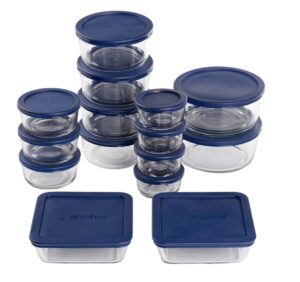
Anchor-Hocking glass – Anchor-Hocking is made in America and toxin-free. Be sure you are getting Anchor-Hocking, no other glass container on the market will do. Invariably other options come from China, and China has a habit of sending its toxic chemicals offshore disguised in glass. A 30-piece set is available for less than $30 at Walmart. Use stretchable silicone lids mentioned above. Affiliate link below.